Austria’s big cities like Vienna and Salzburg steal the spotlight, but the country’s true magic lies in its small towns. These picturesque villages offer first-time visitors an authentic taste of Austrian culture, stunning alpine scenery, and relaxed charm without the crowds. Perfect for road trips or scenic train journeys, these destinations showcase colorful frescoed houses, mountain lakes, and medieval castles.
This guide highlights 10 of the best small towns in Austria for first-time visitors. Each spot combines walkable centers, local cafés serving Apfelstrudel, and easy access to nature. Whether you’re chasing postcard views or quiet evenings in a Gasthaus, these towns deliver memorable experiences.
1.Hallstatt
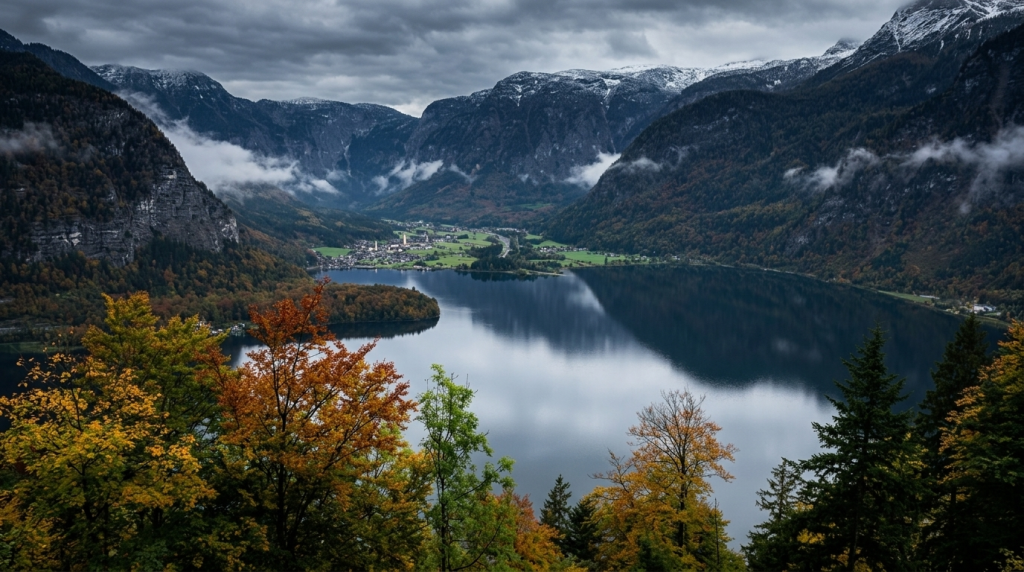
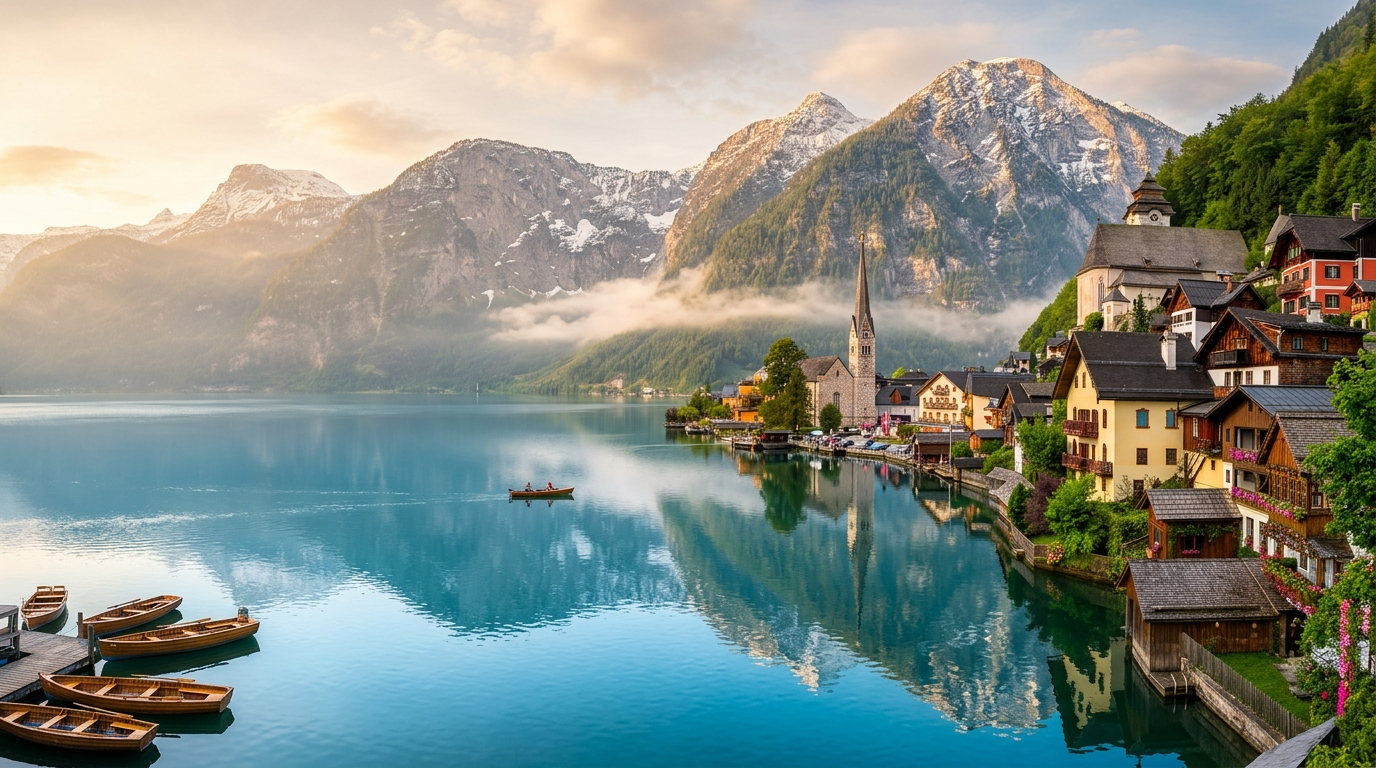
Hallstatt tops every list of small towns in Austria, and for good reason. This UNESCO World Heritage village sits dramatically between a turquoise lake and towering Dachstein mountains. Narrow lanes wind past 16th-century houses, a Baroque church, and wooden lakefront docks.
First-timers love the salt mine tour with underground slides and the Skywalk platform offering panoramic lake views. Visit early morning to beat day-trippers, then take a boat ride or hike the Echerntal trail. Stay overnight for magical evening reflections when the crowds leave.
2.Dürnstein
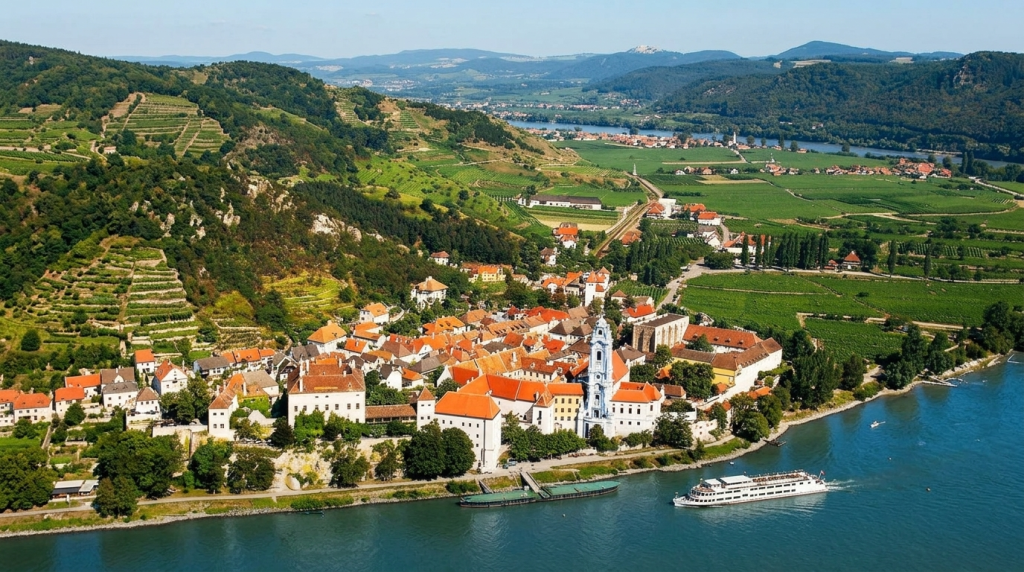
In the Wachau Valley, Dürnstein captivates with its blue Baroque tower and castle ruins where Richard the Lionheart was imprisoned. Cobblestone streets lead to wine taverns serving crisp Grüner Veltliner from surrounding vineyards.
The Kuenringerburg castle hike rewards with Danube River views. First-time visitors appreciate the town’s compact size—everything’s walkable. Pair with a Wachau Valley bike ride or apricot dumpling tasting for the full experience.
3.St. Gilgen
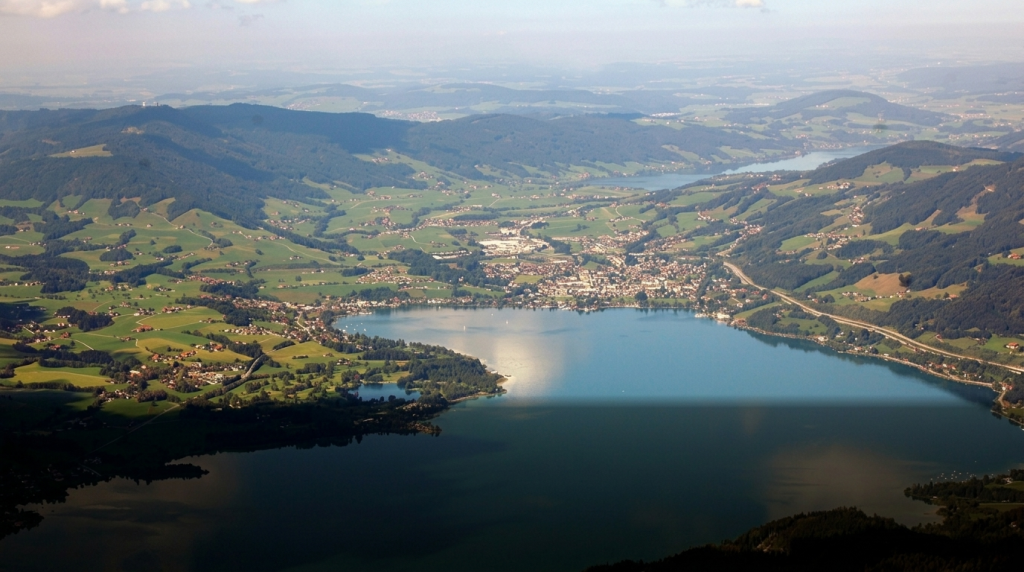
Nestled on Wolfgangsee lake, St. Gilgen blends Mozart heritage with alpine charm. The village’s frescoed houses and pilgrimage church overlook shimmering water framed by forested peaks. Summer brings lakeside cafés and Zwölferhorn cable car rides.
Families enjoy the Gablitz Chairlift and lakeside beach. First-timers can combine with a boat trip to nearby St. Wolfgang or hike to the Mozart Monument viewpoint. The fairy-tale setting rivals Hallstatt but feels less crowded.
4. Gmunden
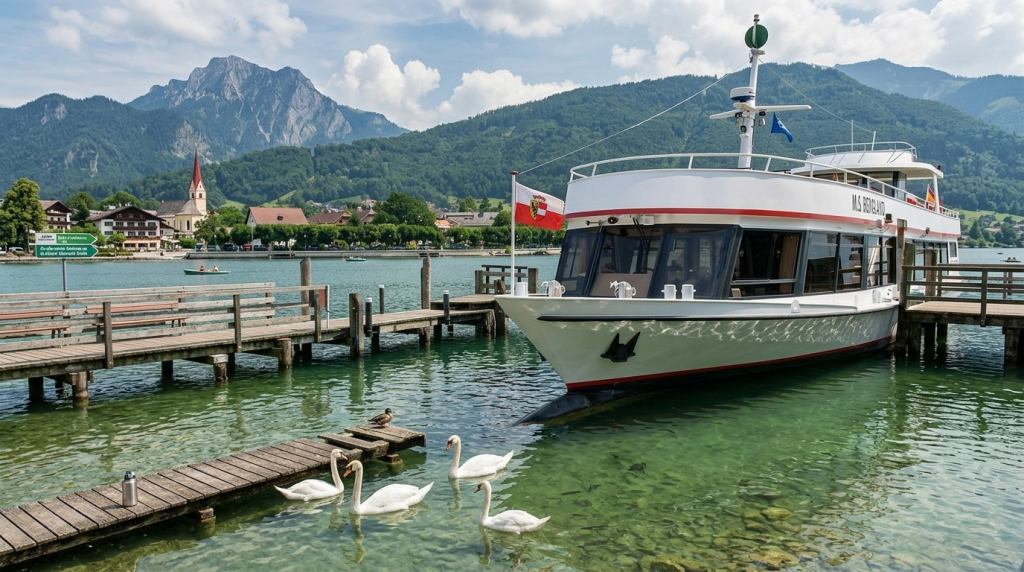
Gmunden charms with its lakeside location on Traunsee and distinctive white ceramic towers. The town’s arcaded main square hosts pottery shops and Konditoreien serving Salzkammergut tortes. The Grünberg cable car accesses forest trails and treetop walks.
First-time visitors love the historic steamship cruises and K-Hofkammer Castle. Rent bikes for the flat lakeside path or visit the Schloss Ort island castle. Gmunden offers Hallstatt scenery with more space to breathe.
5. Alpbach
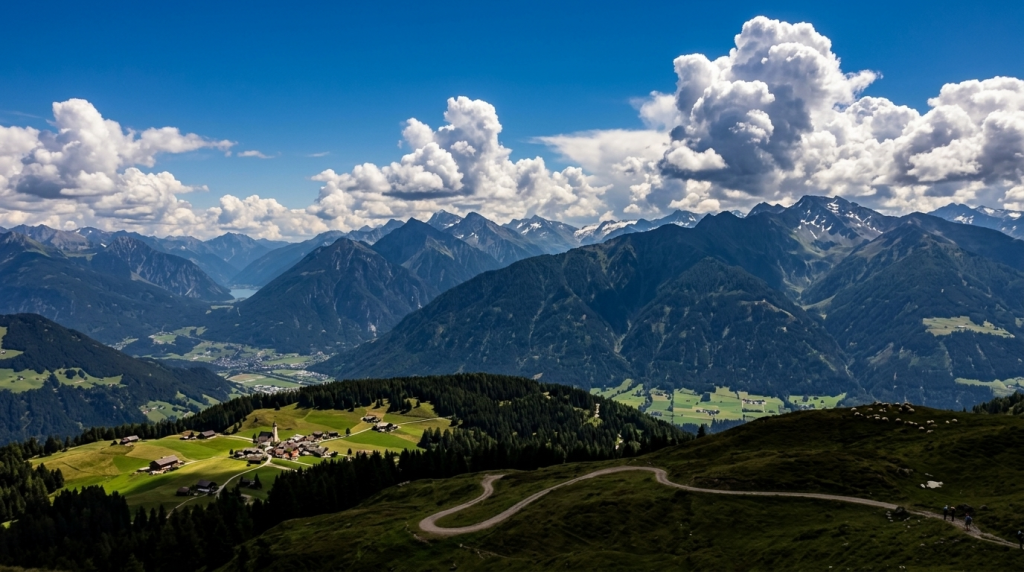
Tyrol’s Alpbach earns “Austria’s most beautiful village” title with flower-filled balconies and wooden chalets. Surrounded by Wiedersbergerhorn peaks, the town offers gentle summer hikes and winter ski runs on the same slopes.
The Rattenberg glassworks nearby add sparkle. First-timers appreciate the free village bus connecting trailheads and the weekly farmers market. Stay in a traditional Gasthof for hearty Käsespätzle dinners and mountain sunsets.
6. Zell am See
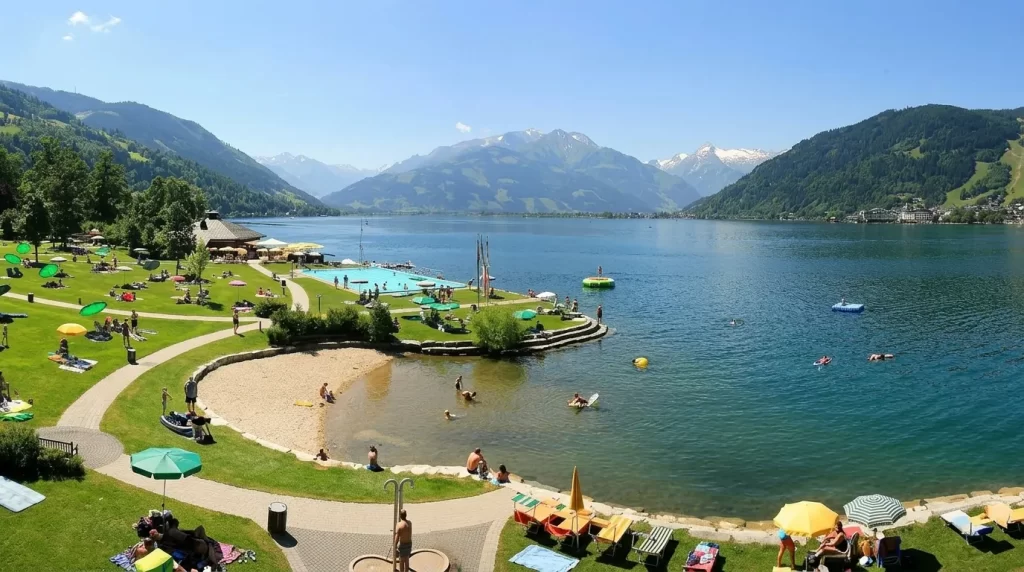
Pinzgau’s Zell am See combines a glacier-fed lake with Schmittenhöhe mountain access. The pedestrian zone buzzes with ice cream parlors and souvenir shops, while the lakeside promenade invites evening strolls.
Summer cable cars reach high-alpine playgrounds and via ferrata routes. First-time visitors enjoy the summer toboggan run and paddleboat rentals. The Kitzsteinhorn glacier trip adds year-round snow adventure.
7. Krems an der Donau
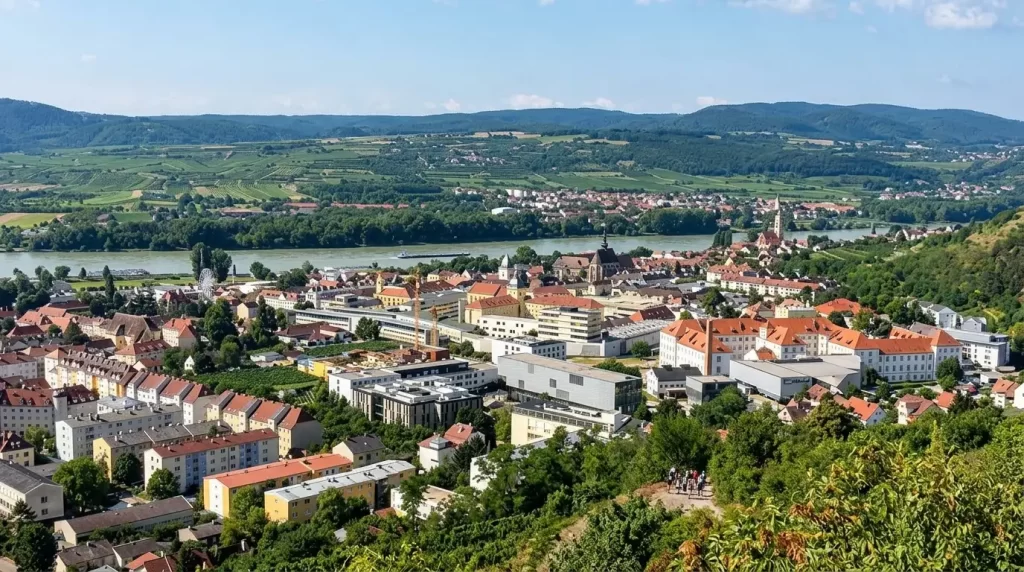
Wachau Valley’s Krems blends wine culture with artistic flair. The Steiner Landhaus district’s 15th-century buildings house galleries and Heurigen taverns. First-timers love the Kunstmeile art trail connecting four museums.
Take the Mauthausen bicycle path or Danube cruise. The Looshaus modern architecture contrasts charmingly with medieval alleys. Sample local Marillenlikör apricot brandy at evening wine tastings.
8. Bad Ischl
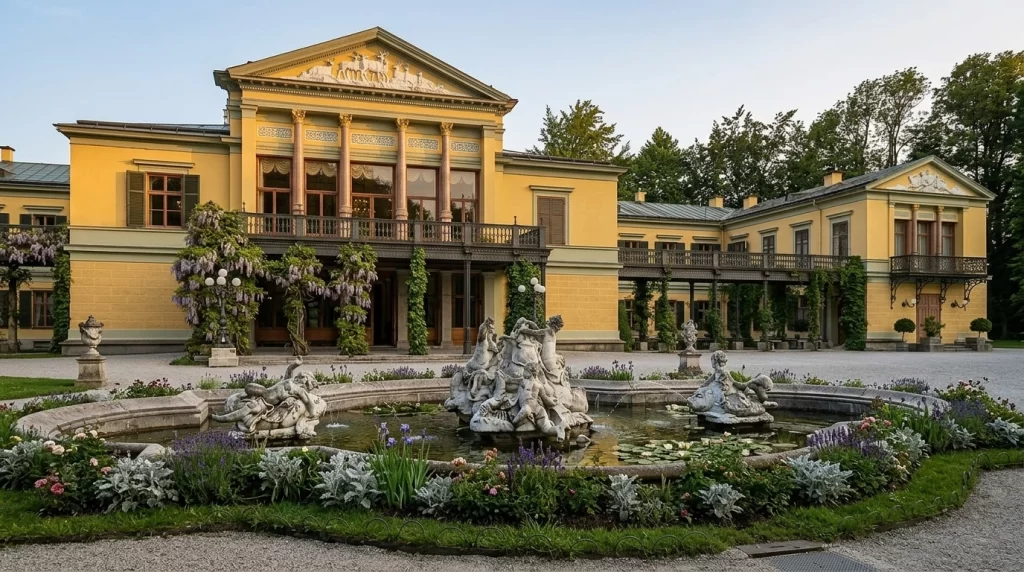
This Salzkammergut spa town was Emperor Franz Joseph’s summer retreat. The Kaiservilla showcases imperial porcelain collections, while the Trumpeter’s Walk leads to healing springs. Salty Gössl porcelain defines the elegant main square.
First-time visitors enjoy the Katrin cable car and boat trips on the Traun River. The Kaisermühl nature reserve offers easy family hikes. Bad Ischl feels like stepping into a historical novel.
9. Stein an der Donau
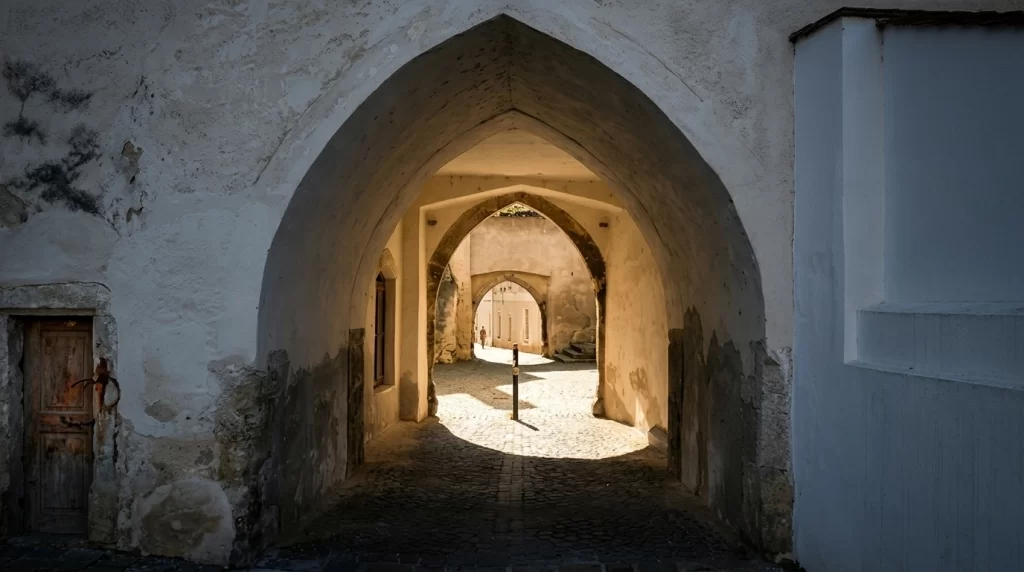
Wachau’s Stein boasts the Danube’s best-preserved medieval center. Half-timbered houses lean over cobblestones, creating a storybook atmosphere. The Pfarrkirche’s Gothic frescoes reward quiet exploration.
Wine lovers follow the Steinertor path through vineyards. First-timers appreciate the town’s position between Krems and Dürnstein—perfect for multi-day valley exploration. Riverside cafés serve fresh trout dinners.
10. Rattenberg
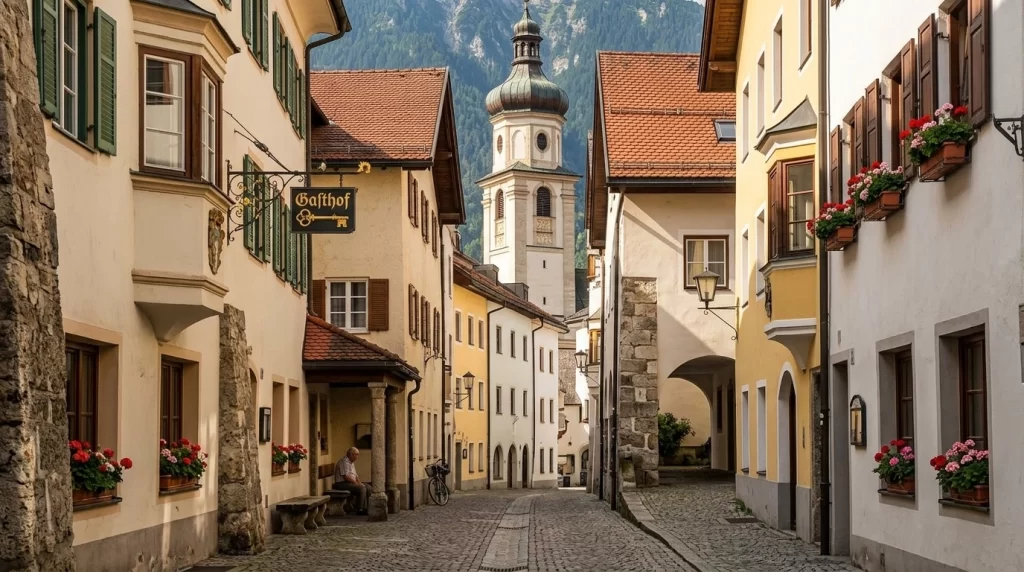
Tirol’s smallest town (under 500 residents) sparkles with glassmaking heritage. The Rattenberg Glassworks demonstrate crystal blowing, while medieval arcades house jewelers and silversmiths. The Thierberg castle ruins loom above.
First-time visitors love the riverside Christmas market (year-round craft shops) and easy Inn River walks. The compact size makes it ideal for half-day visits from Innsbruck. Try handmade glass souvenirs.
Why Small Towns Beat Big Cities for First-Timers
Small towns in Austria offer intimacy that cities can’t match. Walkable centers mean no transportation hassles. Locals greet visitors warmly, sharing hiking tips or bakery recommendations. Regional specialties taste fresher—think Wachau apricots or Tyrolean Speck.
Scenery changes hourly: lakes reflect morning mist, vineyards glow golden at sunset. Accommodations feel personal, from family-run pensions to romantic castle hotels. These towns reveal Austria’s heart beyond tourist checklists.
Planning Your Small Town Road Trip
Best time to visit: Late spring (May-June) for flowers, September for harvest festivals, or summer for lake swimming. Avoid August peak at Hallstatt.
Getting around: Rent cars in Salzburg or Innsbruck for flexibility. Trains serve Gmunden and Zell am See well. Wachau Valley boats connect Dürnstein-Krems-Stein.
Where to stay: Book Gästehäuser or 3-star hotels for authenticity. Many offer half-board with regional cuisine.
Sample 7-day itinerary: Day 1-2 Hallstatt/St. Gilgen, Day 3 Gmunden, Day 4-5 Wachau (Dürnstein/Krems), Day 6 Alpbach, Day 7 Zell am See.
Pack comfortable walking shoes, light layers for mountain weather, and a reusable water bottle—Alpine springs flow free.
Practical Tips for First-Time Visitors
Budget €80-120/night for doubles with breakfast. Many towns offer guest cards with free cable cars and museums. English menus prevail, but “Grüß Gott” opens doors. ATMs cluster in main squares; cards work everywhere.
Combine towns thematically: lakes (Hallstatt, Gmunden), wine (Wachau trio), mountains (Alpbach, Zell). Public buses fill train gaps. Download the ÖBB app for schedules.
Frequently Asked Questions
1. What are the best small towns in Austria for first-time visitors?
Hallstatt, Dürnstein, St. Gilgen, Gmunden, and Alpbach top the list. These offer stunning lake and mountain scenery, walkable centers, and authentic Austrian charm without big-city crowds.
2. Is Hallstatt worth visiting despite the crowds?
Yes, but stay overnight. Day-trippers leave by evening, revealing the village’s magical lakeside reflections and peaceful atmosphere. Early mornings also beat the tour buses.
3. What’s the best time of year to visit Austria’s small towns?
Late spring (May-June) for wildflowers, summer (July-August) for lakes and hiking, or September for harvest festivals and fewer crowds. Avoid peak August at Hallstatt.
4. Do I need a car to visit small towns in Austria?
Not always—trains reach Gmunden and Zell am See easily. Rent for Wachau Valley (Dürnstein/Krems) or Tyrol (Alpbach). Buses connect most villages well.
5. Are these towns family-friendly?
Very—Hallstatt and St. Gilgen have lake beaches and playgrounds. Gmunden offers cable cars and boat rides. Alpbach suits all ages with gentle hikes.
6. How many days should I spend in small towns?
3-5 days total. Combine 2-3 towns: Hallstatt + St. Gilgen (lakes), Dürnstein + Krems (Wachau wine), or Alpbach + Zell (mountains). Perfect for a 7-day road trip loop.
7. Are English menus and signage common?
Yes in tourist areas like Hallstatt and Gmunden. Smaller spots like Rattenberg may have German-only menus, but pictures help and staff speak basic English.
8. What’s the accommodation like in Austrian villages?
Cozy Gasthäuser (inns) and family pensions offer breakfast included (€80-120/night). Many have guest cards for free local transport and attractions.
9. Can I visit multiple small towns without much driving?
Yes—Salzkammergut route links St. Gilgen, Gmunden, Hallstatt by bus/boat. Wachau Valley connects Dürnstein-Krems-Stein easily by bike or river cruise.
10. Are small towns cheaper than Vienna/Salzburg?
Moderately—Austria remains pricey, but village meals (€15-25) and free hiking beat city museums. Guest cards save on cable cars and pools.
Conclusion
Austria’s best small towns deliver postcard-perfect scenery with authentic hospitality. Hallstatt’s lake drama, Dürnstein’s castle romance, and Alpbach’s flower boxes create memories beyond Instagram likes. Skip the crowds, slow your pace, and let these villages reveal the Austria guidebooks miss.
First-time visitors discover why locals cherish these gems. One town sparks curiosity for the next. Choose 3-5 based on interests, string them into a road trip, and experience Austria intimately.